Room for Friends - WHY DO WE ALWAYS END UP IN THE KITCHEN?

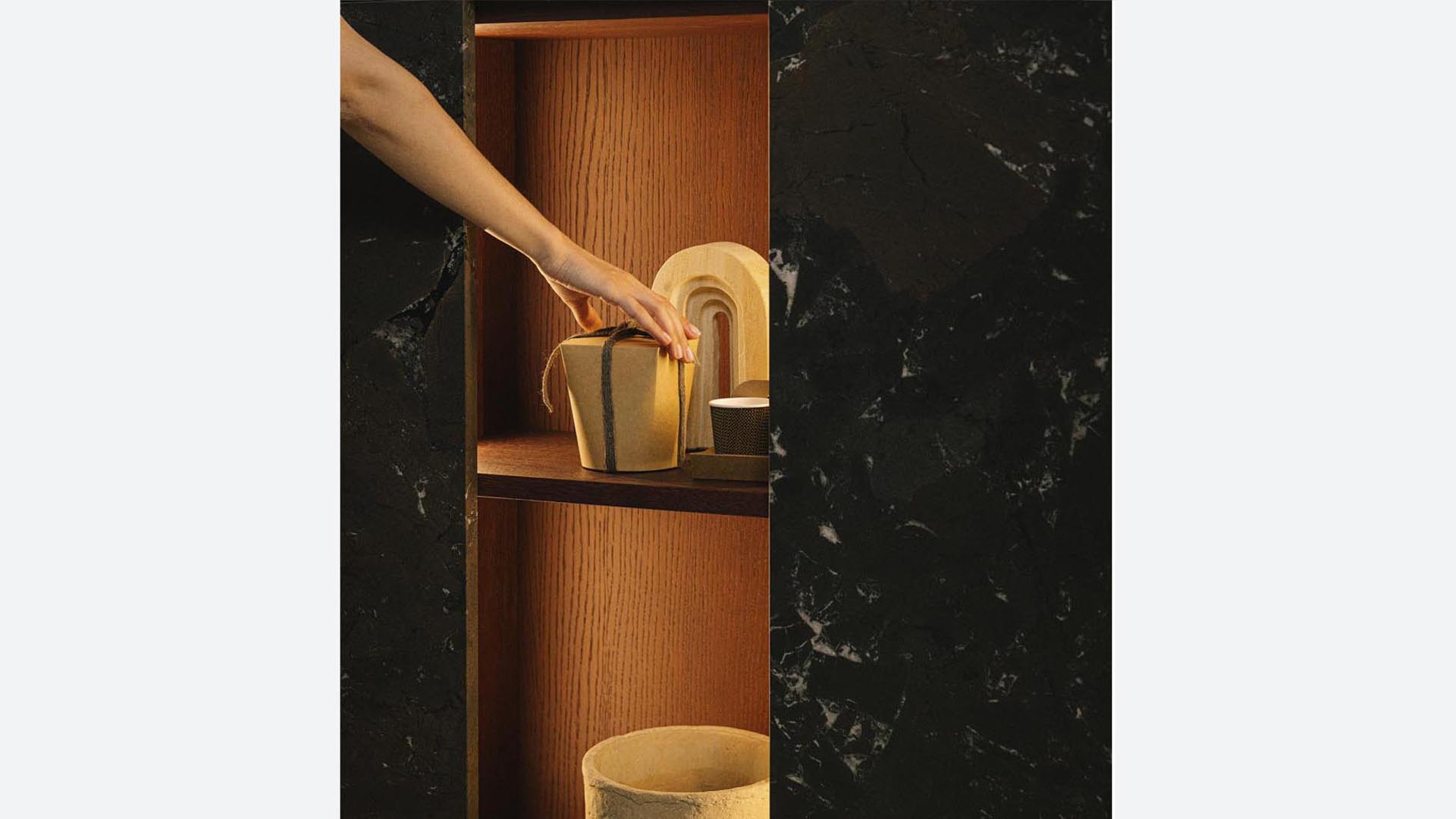
There’s a scene that plays out in practically every home. Guests arrive, everyone greets one another in the living room and, within a few minutes, everyone ends up in the kitchen. Someone makes a drink, someone else opens a bottle; some sit on the breakfast bar whilst others stand leaning against the kitchen island, continuing a conversation that began elsewhere.

There’s no need to ask anyone to move. It just happens. The kitchen exerts a sort of domestic pull: even when dinner is still a long way off and the table is laid elsewhere, it’s often around whoever is preparing something that the evening really gets underway.
It hasn’t always been this way.

It hasn’t always been this way. For much of the twentieth century, one of the aims of kitchen design was to make it as efficient as possible. In 1926, Margarete Schütte-Lihotzky designed the famous Frankfurt Kitchen by analysing movements, distances and work sequences: a compact space, organised almost like a laboratory, in which everything was designed to minimise the movement required to prepare food.

It was an extremely innovative response to the conditions of its time. But it is interesting to look at it today, because it highlights just how much what we expect from a kitchen has changed.

We spent a century making the kitchen more efficient.
Then we started inviting everyone to stay.

Today, the island is often one of the largest features in the room. People sit right in front of the worktop where we’re preparing dinner. The kitchen and living area are drawing closer together, sometimes to the point where there’s no clear boundary between them. Efficiency naturally remains fundamental, but alongside the sequence of movements, something much harder to measure comes into play: the opportunity to be together.

It is a transformation that concerns the space, but above all it reflects a change in relationships.

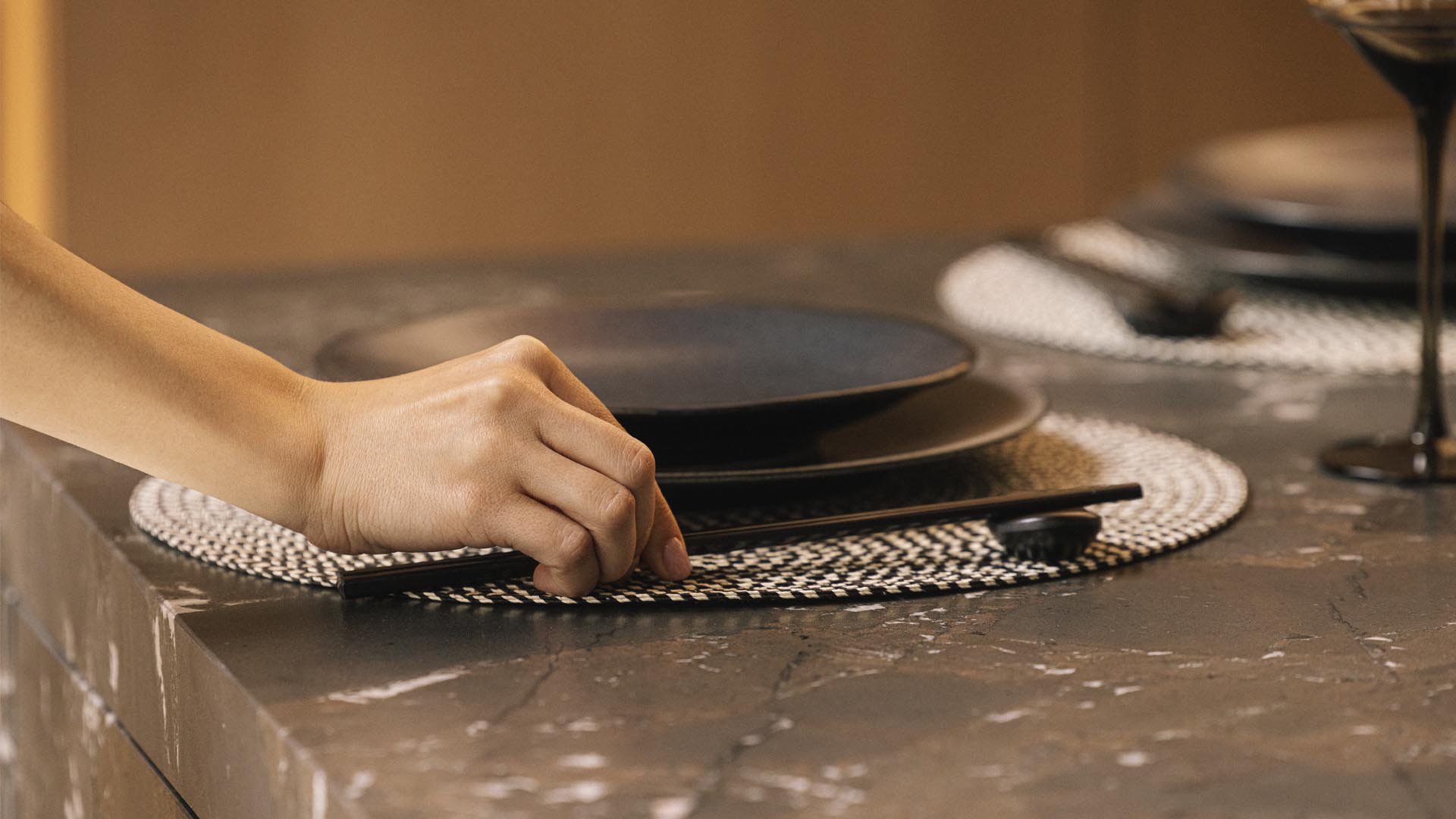
It is a transformation that concerns the space, but above all it reflects a change in relationships. Preparing a dinner is no longer necessarily something that happens before the guests arrive and away from them. It can become part of the evening itself: someone cuts the bread, someone pours the wine, whilst someone else simply stands there chatting whilst they wait.

The kitchen thus ceases to be the ‘backstage’ of the home. Not because it loses its function, but because that function becomes visible and shared.

Dinner can begin long before everyone sits down at the table.

Valdesign kitchens also work along these lines.

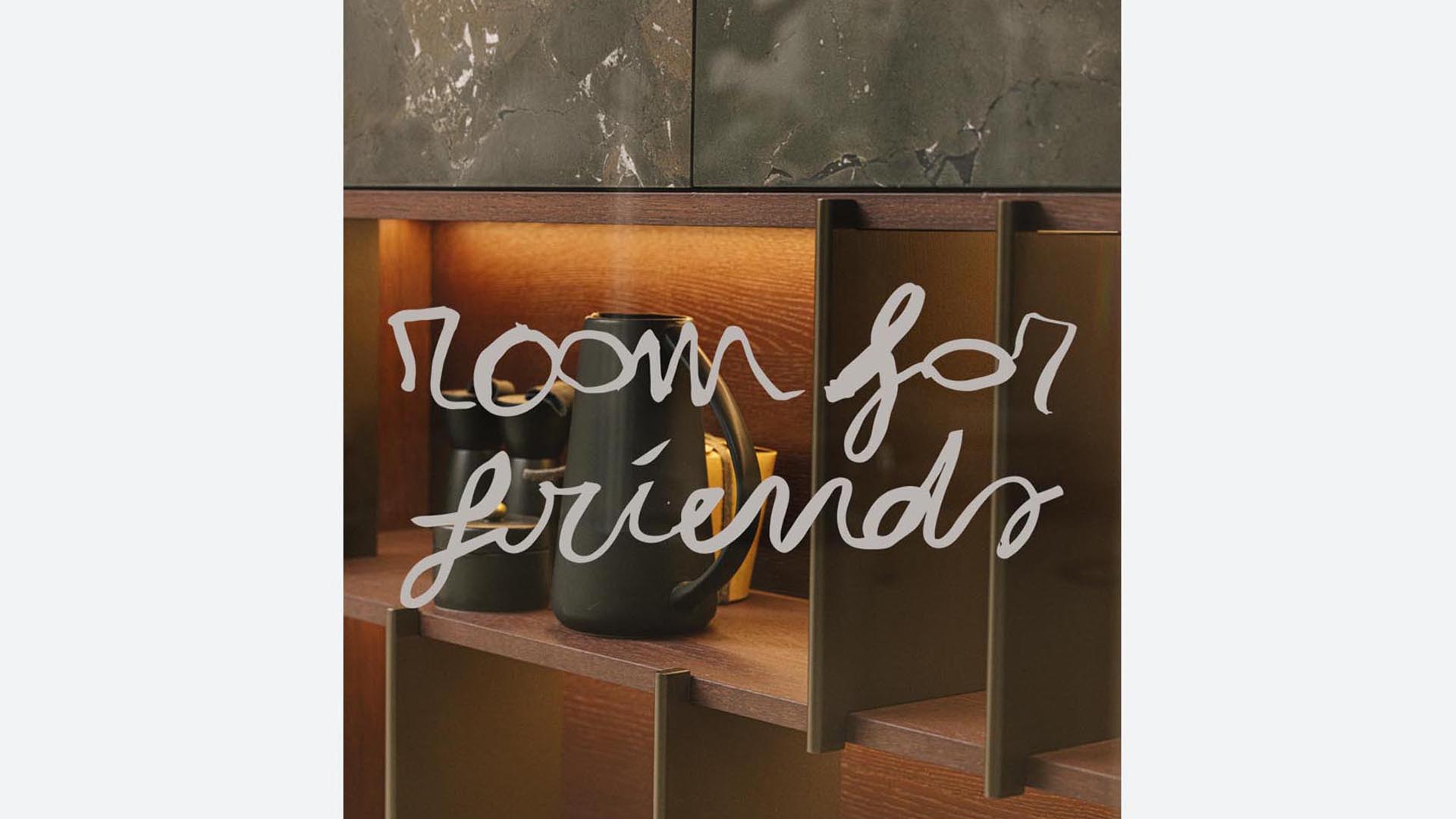
Valdesign kitchens also work along these lines. Islands and peninsulas do not merely organise the working areas, but create spaces around which people can gather; snack counters and integrated tables bring together those preparing food and those staying to chat; open-plan layouts connect the kitchen and living area without necessarily blurring the distinction between them.

It is not, therefore, a question of adding a social function to the kitchen, as if it were just another activity. It is about recognising something that already happens in homes: when we enjoy each other’s company, we very often end up right here.